Key Takeaways
- Kamloops sits in USDA Hardiness Zone 6b–7a, but Interior conditions — freeze-thaw cycles, dry summers, and clay-heavy soils — demand plants that go well beyond basic cold-hardiness ratings.
- Native and climate-adapted species like Rocky Mountain Juniper, Saskatoon Berry, and Paper Birch consistently outperform trendy ornamentals that look great on the nursery tag but struggle after their first Interior winter.
- Soil amendment at planting time is non-negotiable in Kamloops — most residential lots sit on compacted clay or gravelly fill, and even the toughest plants need a proper start.
- Spring planting (late April to early June) gives trees and shrubs the longest possible establishment window before summer heat and winter cold both arrive fast.
- Choosing the right plant for your specific microclimate — a south-facing slope vs. a shaded north yard — matters more than any watering schedule.
Introduction: We’ve Planted A Lot of Things That Shouldn’t Have Died
After working on hundreds of residential and commercial properties across Kamloops and the BC Interior, we’ve learned something humbling: the plant tag is not always your friend. A Japanese Maple rated to Zone 6 can look absolutely spectacular in a Vancouver nursery photo and absolutely tragic in your Kamloops backyard by February. Choosing hardy trees and shrubs for Kamloops isn’t just about cold tolerance — it’s about understanding the whole picture: hot, dry summers that bake the ground, freeze-thaw cycles that heave roots, alkaline soils that lock out nutrients, and wind exposure that desiccates evergreens in ways that look exactly like winter kill (because they are).
At Lyons Landscaping, we’ve been designing, building, and maintaining landscapes across the BC Interior for years. We’ve seen what thrives and what doesn’t, often on the same street, in side-by-side yards. This post isn’t a generic “top 10 plants” list. It’s a practical, opinionated guide to what we actually recommend — and plant — for our Kamloops clients. If you want something that’ll still be standing and beautiful five winters from now, keep reading.
Understanding What Kamloops Actually Does to Plants
Before we talk species, let’s talk conditions. Kamloops sits in one of the most climatically extreme pockets of BC — not extreme like northern Alberta, but extreme in its range. You can have 38°C in July and -25°C in January, sometimes with very little snow cover to insulate roots. That’s a brutal swing, and it’s why plants rated for “Zone 6” from a coastal or prairie context often don’t translate here.
The soil situation compounds things. Many Kamloops residential lots — especially in newer subdivisions — have been scraped, graded, and backfilled with compacted subsoil or imported fill. We’ve dug planting holes in North Kamloops yards that hit clay-pan at 20 centimetres. That clay holds moisture in spring (sometimes too much), then cracks bone-dry by August. Roots that aren’t established before summer hits will simply stop growing and go into survival mode.
Then there’s the freeze-thaw cycle. Unlike colder climates that freeze hard and stay frozen, Kamloops regularly dips below zero at night and climbs above it during the day in late winter. This is particularly hard on shallow-rooted shrubs and newly planted trees. It physically lifts root balls out of the ground — a phenomenon called frost heave — and it can snap feeder roots just as a plant is trying to wake up for spring.
According to Natural Resources Canada’s Plant Hardiness Zone Map, Kamloops falls broadly in Zone 6b, but local microclimates vary significantly. A south-facing slope near the river can behave like Zone 7. A shaded north-facing yard in Brocklehurst can feel more like Zone 5b. Always account for your specific site, not just your postal code.
The Trees We Actually Recommend (And Why)
Let’s start with trees, because they’re the longest-term investment in your yard and the hardest mistakes to undo. Here are the species we return to again and again for BC Interior properties.
Rocky Mountain Juniper (Juniperus scopulorum)
This is the workhorse of Interior landscaping. Native to the region, drought-tolerant once established, and genuinely beautiful in a rugged, structural way. It handles alkaline soil, poor drainage, and wind exposure without complaint. Cultivars like ‘Skyrocket’ give you a narrow, columnar form that’s perfect for tight residential lots or commercial property borders. We’ve planted rows of ‘Skyrocket’ juniper along commercial driveways in Kamloops that have required almost zero maintenance beyond the first two establishment seasons. That’s what you want.
Paper Birch (Betula papyrifera)
Yes, birch trees have a reputation for being fussy. And some of them are. But Paper Birch is a BC native that has evolved with Interior conditions, and when planted correctly — in a spot with adequate moisture and some afternoon shade — it’s genuinely stunning. The white bark provides four-season interest, it supports local wildlife, and clients love it. The key is irrigation in years one and two. Don’t plant it and ignore it. Give it a drip line and a thick layer of mulch, and it’ll reward you for decades.
Trembling Aspen (Populus tremuloides)
We recommend this one with a caveat: give it space, or plant it in a location where spreading roots won’t be a problem. Aspen suckers aggressively, which is great in a naturalized setting or a large lot, but can cause headaches in a tight urban yard. In the right context — a rural acreage, a large commercial site, or as a windbreak — Trembling Aspen is one of the most reliably beautiful and fast-growing trees you can put in the BC Interior ground.
Shrubs That Earn Their Keep in Kamloops Gardens
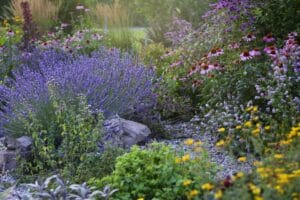
Shrubs are where you build the bones of a landscape. They fill space, provide screening, attract pollinators, and — the right ones — do all of that without needing you to hover over them with a hose every August. Once you’ve got those hardy anchors in place, pairing hardy species with companion plants is a natural next step for adding seasonal colour and filling out the beds around them.
Saskatoon Berry (Amelanchier alnifolia)
We have a strong opinion here: if you’re not growing Saskatoon Berry in a Kamloops garden, you’re missing out. It’s native, it’s gorgeous (white blooms in spring, rich burgundy fall colour), it’s edible, and it is practically bulletproof in Interior conditions. We’ve seen Saskatoon shrubs thriving in the most neglected, compacted, gravelly corners of properties where nothing else would touch. They also attract birds, which is either a selling point or a warning depending on how precious you are about your other plants.
Potentilla / Shrubby Cinquefoil (Dasiphora fruticosa)
If you need low-maintenance colour from June through September and you’re not using Potentilla, ask yourself why. It blooms relentlessly, handles clay soil, tolerates drought, and comes back hard after harsh winters. Yellow varieties like ‘Goldfinger’ are the classic, but there are pink and white cultivars if you want something a little different. We use these regularly on commercial properties in Kamloops because they look intentional and cared-for even when the maintenance crew only visits twice a month.
Wolf Willow / Silverberry (Elaeagnus commutata)
Underused and underappreciated. The silver foliage is striking against darker greens, it fixes nitrogen in the soil (which is a genuine bonus in nutrient-poor Interior soils), and it’s one of the most drought-tolerant native shrubs you can plant. The fragrant flowers in late spring are a bonus that most people don’t expect. Fair warning: like aspen, it spreads by suckering, so give it room or be prepared to manage it.
Lilac (Syringa vulgaris)
Not a native, but it might as well be at this point — you’ll find old lilac hedges on properties throughout the BC Interior that have been flowering reliably for 50 years with zero intervention. Common Lilac is cold-hardy to Zone 3, loves the alkaline soils common in Kamloops, and the bloom is one of the more reliable signs of spring you’ll get. Plant it on the sunny side of your property and leave it alone. It’ll thank you every May.
The Planting Mistakes We See Every Single Year
We’d be doing you a disservice if we just handed you a plant list without talking about the things that kill otherwise-hardy trees and shrubs in Kamloops yards. These are the errors we see most often — and honestly, they’re avoidable with a little upfront knowledge.
Planting too late in the season. If you’re dropping a new tree into the ground in August, you’re setting it up to fail. It doesn’t have enough time to establish before the heat of summer pushes it into stress, and then winter arrives before it’s recovered. We recommend planting hardy trees and shrubs between late April and mid-June whenever possible. Fall planting (late September) can work for some species, but it’s a calculated risk in Kamloops.
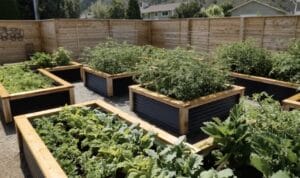
Skipping soil amendment. We know it feels like extra cost and effort, but backfilling a planting hole with the same compacted clay you dug out of it is essentially asking a plant to grow in a brick. Blend in compost, and if drainage is a concern, consider a small amount of coarse grit or pea gravel below the root ball. Our Kamloops Garden Centre carries quality soil amendments that are specifically suited to Interior growing conditions — it’s worth the conversation before you plant. If your native soil is truly unworkable, building up instead of digging down is an option — using hardy species in a raised bed layout sidesteps the compacted-clay problem entirely.
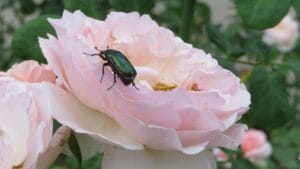
Overwatering in year one, then going cold turkey. New plants need consistent moisture during establishment, not floods followed by drought. A simple drip irrigation setup on a timer is one of the best investments you can make for a new landscape. Once trees and shrubs are established (typically after two full growing seasons), most of the species we’ve listed above will handle Kamloops summers with minimal supplemental irrigation. Establishment is also when young plants are most vulnerable to insect damage, so protecting new plantings from pests like the Japanese beetle should be part of your first-year care plan.
Choosing plants based on appearance at the nursery, not suitability for your site. That gorgeous Ornamental Cherry might look perfect in the pot. But if your yard is north-facing, gets late-season frost, and sits in clay, you’re going to have a bad time. This is exactly why working with experienced local professionals matters. If you’re unsure what’s right for your specific property, a landscape designer can walk your site and give you plant recommendations based on real conditions — not just what looks nice in a catalog.
And if you’re starting a larger project and wondering how to find the right team, our post on 10 questions to ask before hiring a landscaper is a good place to start. It’ll help you cut through the noise and find someone who actually knows your region.
For further plant selection guidance specific to BC, the BC Landscape & Nursery Association (BCLNA) is a trusted industry body with resources for both professionals and homeowners navigating plant choices in BC’s varied climates.
Frequently Asked Questions
What growing zone is Kamloops BC?
Kamloops falls primarily in USDA Hardiness Zone 6b, with some areas reaching Zone 7a depending on local conditions. For reliable long-term performance in the BC Interior, choose plants rated to Zone 5 or lower to account for freeze-thaw cycles and microclimatic variation.
What are the best hardy trees for Kamloops?
Rocky Mountain Juniper, Paper Birch, and Trembling Aspen are among the most reliable hardy trees for Kamloops. Rocky Mountain Juniper is the top choice for drought tolerance and low maintenance. Paper Birch provides outstanding ornamental value with proper establishment care.
What are the best drought tolerant trees for the BC Interior?
Rocky Mountain Juniper is the most drought tolerant tree for Kamloops and the BC Interior. Once established, it handles extended dry periods, thin soils, and full sun exposure better than almost any other species available at BC nurseries.
What are low maintenance outdoor plants for Kamloops?
Potentilla, Saskatoon Berry, Wolf Willow, and Lilac are among the best low maintenance shrubs for Kamloops. Rocky Mountain Juniper and Trembling Aspen are the best low maintenance tree options. All five thrive in BC Interior conditions with minimal intervention after establishment.
When is the best time to plant trees and shrubs in Kamloops?
Late April to mid-June is the ideal planting window for most hardy trees and shrubs in Kamloops. This gives plants the longest possible establishment period before summer heat arrives. Fall planting in late September can work for some species but carries higher risk in the BC Interior climate.
Conclusion: Plant Smart, Plant Once
Kamloops is a genuinely beautiful place to garden — when you work with its conditions rather than against them. The plants that thrive here aren’t boring. Rocky Mountain Juniper, Saskatoon Berry, Trembling Aspen, Potentilla — these are plants with character, with ecological value, and with a proven track record in the BC Interior. The goal isn’t to make your Kamloops yard look like a West Coast garden or a prairie subdivision. It’s to build something that belongs here, that weathers what our winters throw at it, and that looks better every year.
Whether you’re starting from scratch on a new build, refreshing an overgrown property, or just trying to figure out what to do with that one sunny corner that keeps killing everything you put in it — we’re here to help. Stop by our Kamloops Garden Centre to browse our selection of hardy trees and shrubs sourced for Interior growing conditions, or contact Lyons Landscaping for a free estimate and let’s talk about what your yard actually needs.