
Key Takeaways
- Most winter damage to evergreens in Kamloops isn’t caused by cold. It’s caused by plants drying out after irrigation is shut off and before lasting snow arrives.
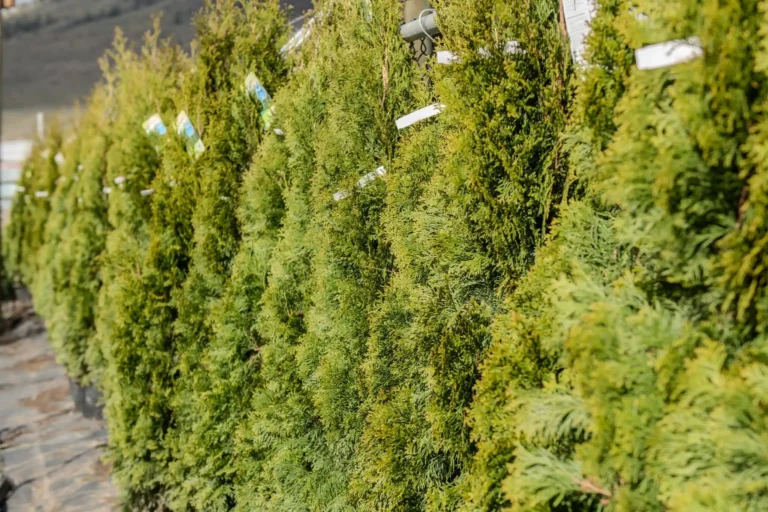
- Brown, scorched needles on the south and west sides of a cedar or spruce are called winter burn, and it’s drought damage in disguise.
- Open, dry falls are leaving 4 to 8 weeks between irrigation blowout and real snow cover, which is a long time for a new landscape to go without water.
- New plantings, sun-exposed evergreens, new sod and shallow-rooted trees like birch, maple and mountain ash carry the most risk.
- A deep soak before the ground freezes, plus another during any long dry spell, is the simplest and most effective winter insurance your landscape can have.
Introduction
Every spring, we get the same call. A cedar hedge has gone brown on one side. A tree planted last summer never leafs out. A strip of new sod along the driveway looks straw-coloured long after the rest of the lawn has greened up. The natural guess is that the winter was too cold.
In Kamloops, it usually wasn’t the cold at all. It was thirst.
That’s an important distinction, because it changes what you can do about it. You can’t control a cold snap. You can control whether your trees, shrubs and lawn go into winter with a good drink in them. In this post, we’ll explain why evergreens and new plantings dry out over a BC Interior winter, why the problem seems to be getting worse, which plants in your yard are most at risk, and what to do before the ground locks up.
Your Plants Keep Drinking All Winter
Once your irrigation system is blown out for the season, the water stops. Your plants don’t.
Evergreens like cedar, spruce, pine and juniper hold on to their needles all winter, and those needles keep losing moisture on every sunny, windy day. This process is called transpiration, and it doesn’t take a break just because it’s November. A bright January afternoon with a dry wind can pull a surprising amount of water out of a hedge.
New trees, shrubs and sod are in the same boat. Even deciduous trees that have dropped their leaves lose some moisture through their bark and buds, and newly laid sod is still losing water through its blades on mild days.
In a normal growing season, the roots simply replace what’s lost. The problem comes when the ground freezes dry. Roots can’t pull water out of frozen soil, and if there wasn’t much water in that soil to begin with, there’s nothing left to draw on during a thaw either. The plant keeps spending moisture it can’t replace.
What winter burn actually is
That’s where the brown, scorched needles on the south and west sides of an evergreen come from. Those are the sides that take the most winter sun and the most wind, so they lose the most moisture. When the needles dry out faster than the roots can resupply them, they die and turn brown, usually showing up in late winter or early spring.
It’s called winter burn, and it’s drought damage in disguise. It looks like frost damage, and it happens in winter, so it’s easy to blame the cold. But the root cause is a lack of available water.
Our previous post on prepping your garden to avoid winter-kill in the BC Interior covers the wider picture, including mulching, pruning and protecting perennials. This post zeroes in on the piece most homeowners miss: water.
Why It’s Getting Worse in Kamloops
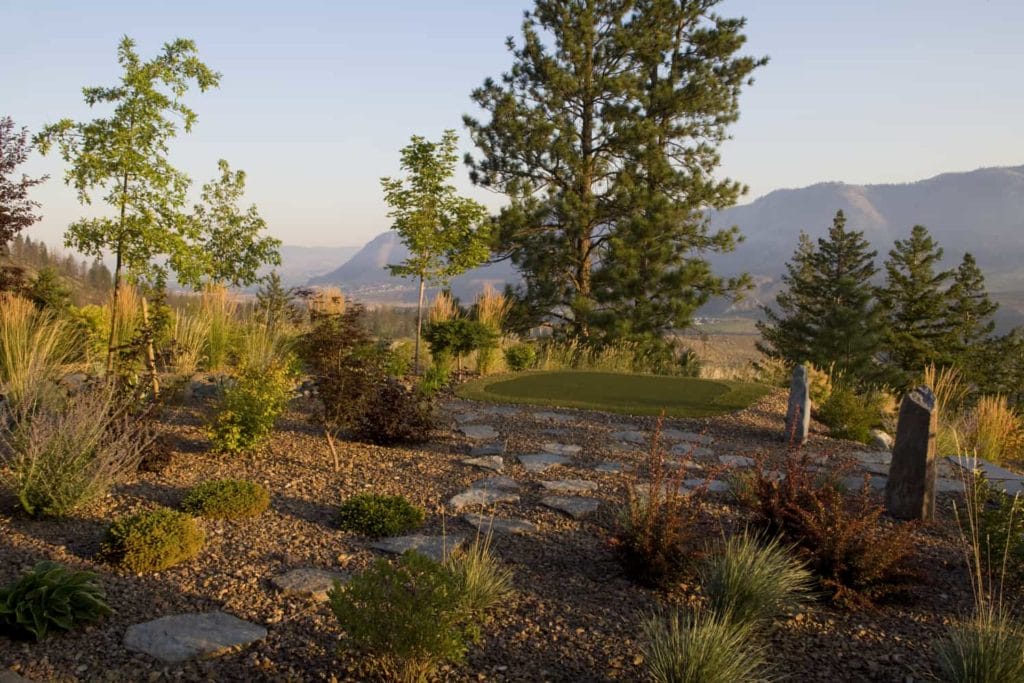
We live in a semi-arid climate. Kamloops gets less precipitation than almost anywhere else in southern BC, and our dry air and wind pull moisture out of plants and soil quickly. That has always made winter drought a risk here. What’s changed is the timing.
November no longer reliably brings snow. When fall stays open and dry, there can be 4 to 8 weeks between your irrigation blowout and lasting snow cover. For an established tree with a deep root system, that’s manageable. For a cedar hedge planted in August or sod laid in September, it’s a long time to go without a drink.
Snow cover matters more than most people realize. A layer of snow insulates the soil, slows down how deep and how hard it freezes, and slowly feeds moisture into the root zone as it melts. A bare, dry yard in late November gets none of those benefits.
Dry soil freezes deeper
There’s a second problem with dry soil going into winter. Moist soil holds heat better than dry soil, so dry ground freezes deeper and colder. That leaves the fine feeder roots near the surface, the ones doing most of the work of taking up water, exposed to damaging temperatures. Damaged feeder roots mean the plant has an even harder time recovering when spring arrives.
The damage hides until summer
Here’s the frustrating part. Root injury often doesn’t show up right away. Needle browning might appear in March, but damage to the roots can stay hidden until late spring or even mid-summer, when a stressed tree leafs out thin and weak, or suddenly gets hit by insects or disease. By then, most people have no idea the real problem started the previous November.
If you’ve ever had a tree that “just never seemed happy” in its second year, a dry winter is one of the first things we’d look at.
Who’s Most at Risk in Your Yard?

Not every plant in your landscape needs the same level of attention. These are the ones we’d keep a close eye on through a dry fall and winter:
- Anything planted this year, especially in late summer or fall. New plantings haven’t had time to grow roots out into the surrounding soil, so they’re relying on a small, shallow root ball that dries out fast.
- Evergreens on south or west exposures, in windy spots, or beside walls, fences and driveways that reflect heat. These are classic winter burn locations.
- New sod, especially on sunny slopes where water runs off and the soil dries out quickly.
- Shallow-rooted trees like birch, maple and mountain ash, which have more of their roots in the top layer of soil where drying and freezing hit hardest.
If your yard has one or more of these, it’s worth planning for winter watering now rather than finding out in May.
“But I’m supposed to cut back watering in the fall”
You’re right, and both pieces of advice work together. Tapering off watering in late summer helps plants slow their growth and harden off for winter, which is something we recommend. But hardening off isn’t the same as drying out. Once the leaves have dropped and plants are dormant, a deep watering before freeze-up doesn’t push new growth. It simply makes sure the roots have moisture to draw on through the winter. University extension horticulturists in similar dry, cold climates give the same guidance: Colorado State University Extension recommends watering trees, shrubs, lawns and perennials during long dry stretches in fall and winter to prevent root damage.
The Good News: The Fix Is Simple
Unlike a lot of landscape problems, this one doesn’t need special products or complicated treatments. It comes down to two things:
- A deep soak before the ground freezes. Slow, deep watering that gets moisture well down into the root zone, timed for the last mild stretch before a sustained freeze.
- Another deep soak during any long dry stretch through the winter, on a mild day when the ground isn’t frozen and there’s no snow covering the roots.
A moist root zone going into freeze-up is the best winter insurance your landscape can have. Add a layer of mulch over the roots of your trees and shrubs to hold that moisture in, and you’ve done most of the work. If you need mulch, our Kamloops Garden Centre carries fir mulch and other products suited to Interior conditions.
Our next post, Should I Water This Week? A Quick Winter Checklist, covers exactly when and how to do it: how to tell if it’s safe to water, how to tell if your plants need it, how much water to give, and how to avoid freezing your outdoor tap in the process.
Conclusion
When an evergreen browns out or a new tree fails to leaf out in spring, the cold usually gets the blame. In Kamloops, the more likely culprit is a dry root zone during a long, open fall and a winter with patchy snow cover. Evergreens keep losing water through their needles all winter, new plantings have small root systems that dry out fast, and dry soil freezes deeper and harder than moist soil.
The fix is straightforward: know which plants in your yard are most at risk, give them a deep soak before freeze-up, water again during long dry spells, and mulch to hold the moisture in. It takes a few hours across the season, and it can save you the cost of replacing a hedge or a tree next spring.
If you’re planning ahead, our month-by-month property maintenance schedule for BC Interior homeowners shows where fall watering fits into the rest of the year.
Would you rather leave it to us? Just ask about a fall watering visit. Contact Lyons Landscaping or call us at (250) 374-6942, and our property maintenance team will make sure your trees, shrubs and new lawn head into winter ready.
