
Key Takeaways
- Winter-kill in Kamloops is often caused by freeze-thaw cycles and desiccation, not just cold temperatures — and most homeowners don’t account for that.
- Mulching is your single most effective defence against winter-kill; timing and depth matter more than most people realize.
- Broad-leaved evergreens and shallow-rooted perennials are the most vulnerable plants in BC Interior gardens.
- Hardening off your plants before the first frost — by gradually reducing water in late summer — dramatically improves winter survival rates.
- A little effort in October saves you a lot of money in May.
Introduction
Every spring, we talk to Kamloops homeowners who walk out into their garden in late April, only to find a shrub that looked perfectly healthy in October now looks like a pile of brown sticks. That’s winter-kill — and the frustrating part is that most of it is preventable. If you’ve been wondering how do I prep my garden for winter to avoid winter-kill, you’re already asking the right question. The wrong question is, “Can I just throw a tarp over it?” (Short answer: usually no, and sometimes it makes things worse.)
The BC Interior has a specific climate that doesn’t behave like coastal BC or the Canadian Prairies — and generic gardening advice from the internet often misses the mark entirely. Kamloops winters can swing between -20°C cold snaps and mid-January thaws that fool your plants into thinking spring has arrived. That freeze-thaw cycle is brutal on root systems and emerging buds. Here’s what we’ve learned after years of working with gardens across the Thompson-Okanagan region — and what you should actually do before the ground freezes.
Understand What’s Actually Killing Your Plants (It’s Not Always the Cold)
Most people assume winter-kill means a plant froze to death. Sometimes that’s true. But in the Kamloops area, the more common culprits are desiccation (the plant dries out because frozen soil can’t deliver moisture to roots or foliage) and freeze-thaw heaving (repeated freezing and thawing pushes shallow roots right out of the ground).
Broad-leaved evergreens like rhododendrons, boxwood, and some varieties of holly are especially prone to desiccation. Their leaves keep losing moisture all winter while the roots are stuck in frozen ground. You’ll see the damage in spring — brown, crispy foliage on a plant that was technically “alive” all winter but couldn’t sustain itself.
Shallow-rooted perennials like heuchera, lavender, and ornamental grasses are the most vulnerable to heaving. When water in the soil repeatedly freezes and expands, it physically lifts the crown of the plant. If it gets lifted too far, the roots are exposed to freezing air and the plant dies.
The fix isn’t complicated — but it has to be applied before the damage happens. According to the Royal Horticultural Society, most winter plant losses are due to waterlogging and desiccation rather than cold alone — a point that’s especially relevant in climates with inconsistent snow cover like ours.
Once you understand what’s actually going wrong, you can target your prep work where it counts.
Mulching: The One Thing That Makes the Biggest Difference
If you only do one thing to prep your garden for winter, mulch it. Seriously. A proper layer of mulch does more for winter plant survival than almost anything else — it insulates roots against temperature swings, retains soil moisture, and reduces the freeze-thaw heaving that kills perennials.
For Kamloops gardens, we recommend applying mulch in late October to early November — after the first hard frost but before the ground locks up completely. If you mulch too early (say, mid-September when the soil is still warm), you can trap heat and delay the hardening-off process your plants need to prepare for winter. If you wait too long, the ground freezes solid and mulch can’t do its job effectively.
How much mulch? For most perennial beds, aim for 3–4 inches. For tender shrubs or plants at the edge of their hardiness zone, go up to 5–6 inches around the base. Don’t pile it directly against the crown of the plant or up against woody stems — that traps moisture and can cause rot or invite rodents looking for a warm place to nest.
The best mulch materials for the BC Interior are shredded bark (cedar or fir work well), composted wood chips, or clean straw. Avoid fresh wood chips, which can tie up nitrogen in the soil as they break down. At our Kamloops Garden Centre, we carry quality mulch and soil products suited to Interior conditions — so you’re not guessing at what to use.
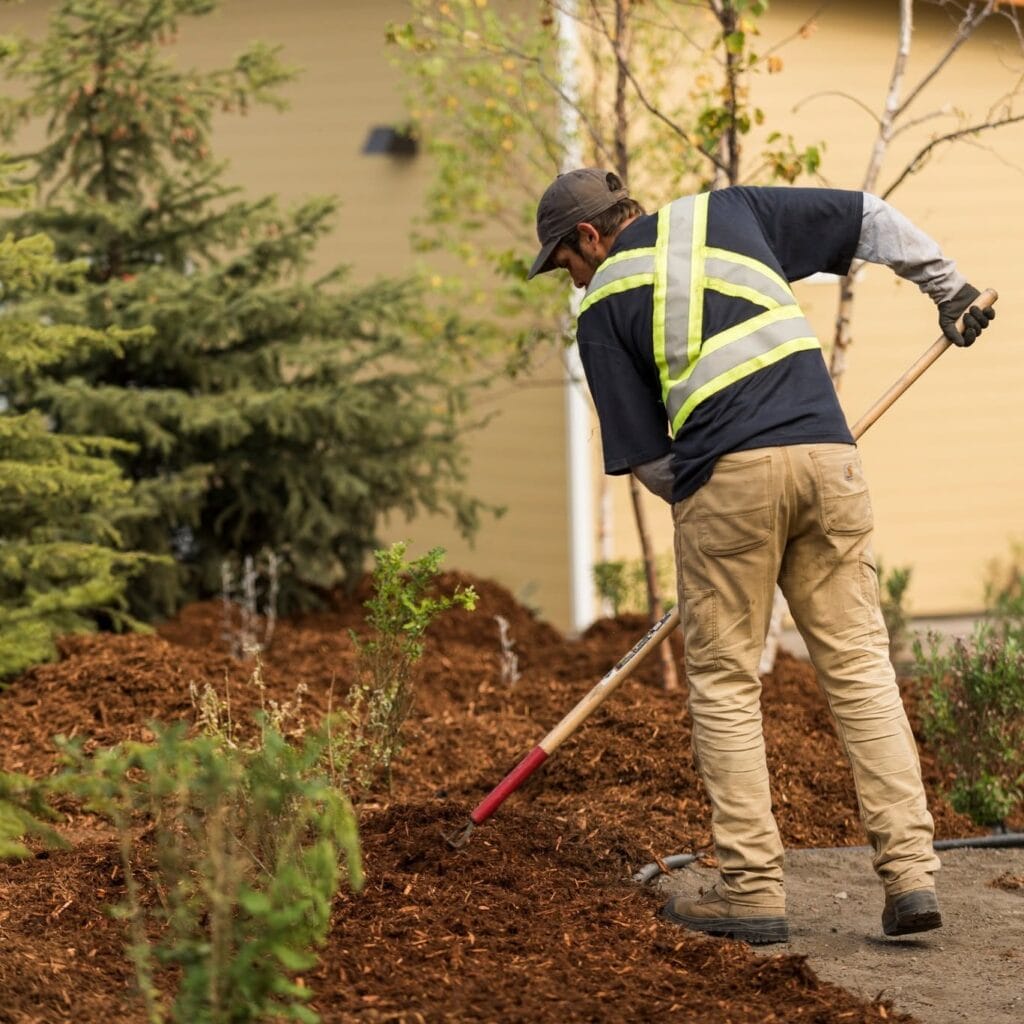
One client in the Brocklehurst area had been losing her Russian sage and Karl Foerster grasses every other winter. We added a 4-inch layer of shredded bark mulch around her perennial beds in late October. The following spring? Everything came back. It really can be that simple.
Harden Off, Cut Back, and Know What NOT to Prune
Fall is not the time to give your garden a big haircut — at least not indiscriminately. This is one of the most common mistakes we see.
What to cut back: Dead or dying annuals should be pulled and composted. Perennials that have gone fully dormant (like hostas, daylilies, and astilbe) can be cut down to about 2–3 inches. Remove diseased foliage completely — don’t compost it. Hollow-stemmed plants like hostas and ligularia can trap moisture and rot if left standing, which creates problems at the crown.
What NOT to cut back: Leave ornamental grasses standing through winter. They protect the crown from freeze damage and catch insulating snow. Many perennials — coneflowers (Echinacea), rudbeckia, and sedums — provide food for overwintering birds and add structure to the winter garden. Wait until early spring to cut those back.
Never prune woody shrubs or trees in fall unless you’re removing dead or diseased wood. Fall pruning stimulates new growth that won’t have time to harden before frost. That soft new growth is extremely vulnerable to winter-kill. Save your major pruning for late winter or early spring, just before bud break.
As for hardening off: starting in late August, begin tapering off irrigation. Gradually reducing water signals to your plants that the season is ending, which triggers the physiological changes that prepare them for dormancy. Plants that are still receiving full irrigation in late September are often caught off-guard by the first frost — their tissue is still full of water and freezes hard. That’s a recipe for winter damage.
If you want to know which perennials hold up best in our climate no matter what winter throws at them, our post on the best perennial flowers for Kamloops gardens breaks it down by hardiness and performance in the BC Interior.
Protect Vulnerable Shrubs and Broad-Leaved Evergreens
Some plants just need a little extra help in the BC Interior, and that’s okay. Knowing which ones are worth wrapping or sheltering — and which ones you should probably replace with hardier alternatives — saves you a lot of time and heartache.
Plants that typically need protection in Kamloops:
- Rhododendrons and azaleas planted in exposed locations
- Boxwood, especially in windy spots or south-facing beds that get intense winter sun
- Roses (particularly hybrid tea and grandiflora varieties)
- Young or newly planted trees and shrubs in their first or second winter
- Marginally hardy plants like lavatera, some ceanothus varieties, and late-planted perennials
Burlap wrapping works well for broad-leaved evergreens and newly planted shrubs. The goal isn’t to keep them warm — it’s to block desiccating wind and reduce the sun exposure that tricks plants into “waking up” during a January warm spell. Wrap loosely so air can still circulate. Don’t use plastic — it creates a greenhouse effect on sunny days that can cook the foliage.
For roses, the traditional mounding method still works well: after the first hard frost, mound 6–8 inches of soil or compost over the bud union (that knobby bit at the base of the canes). Add a layer of mulch over top. You can leave the canes long through winter and prune them back in spring once you can see which wood survived.
One honest note from experience: if you’re consistently losing a marginally hardy plant every second or third winter, it might be time to replace it with something better suited to our zone. We’re generally in Zone 6b in Kamloops, with some microclimates pushing into 7a. There are beautiful, hardy alternatives for almost every tender plant — and choosing the right plant for the right place is always better than fighting your climate every fall.
Don’t Forget Your Soil — It Needs Winter Prep Too
Garden prep isn’t just about what’s above ground. The soil itself needs attention before winter if you want a productive garden come spring.
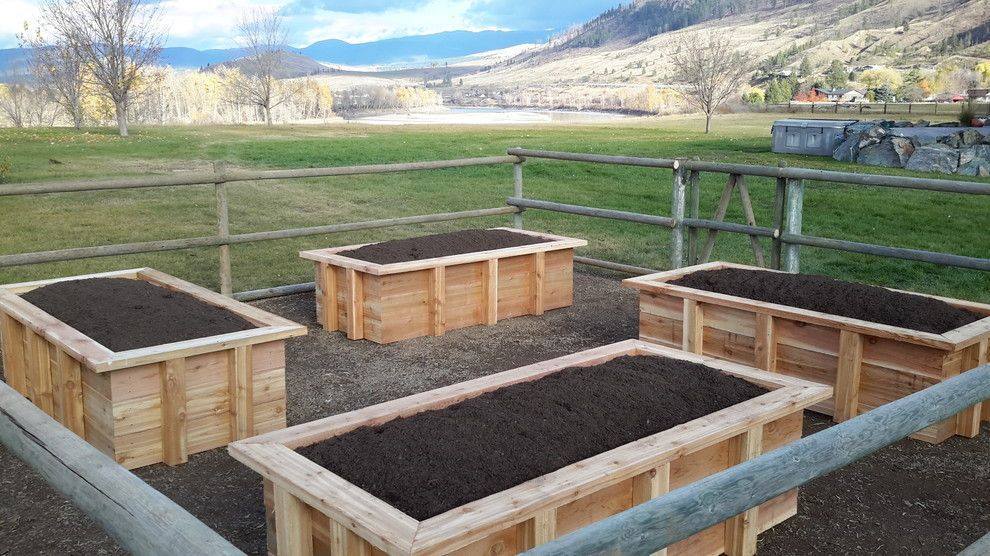
Fall is an excellent time to add compost to your beds. Work 2–3 inches of compost into the top layer of soil after you’ve removed spent annuals and cut back perennials. Over winter, the organic matter breaks down slowly and integrates into the soil profile. Come spring, your beds will have improved structure and fertility without needing as much amendment.
If you have clay-heavy soil (which is common in parts of Kamloops and the Thompson Valley), fall is also a good time to add gypsum or coarse sand to help break up compaction. Don’t till deeply in fall — it disrupts the soil structure and can expose weed seeds to the perfect germination conditions come spring. Light surface amendment is the way to go.
Cover cropping is underused in residential BC Interior gardens. If you have a vegetable or annual bed you’re leaving empty over winter, consider seeding a winter rye or hairy vetch cover crop in September. It protects bare soil from erosion, suppresses weeds, and adds organic matter when you turn it under in spring. It’s not glamorous, but it’s genuinely effective.
And finally — stop fertilizing by mid-August at the latest. Late-season nitrogen pushes lush new growth that won’t harden in time. You’re essentially setting your plants up for frost damage. Stick to a low-nitrogen, phosphorus-rich fertilizer in early fall if you want to support root development without stimulating soft top growth.
Conclusion
Prepping your garden for winter in the BC Interior isn’t about wrapping every plant in sight and hoping for the best. It’s about understanding what actually kills plants in our specific climate — freeze-thaw cycles, desiccation, poor soil drainage, and plants that were never quite suited to Zone 6b in the first place — and addressing those risks before the ground freezes.
Mulch your beds in late October. Cut back what needs cutting, and leave what needs leaving. Wrap the shrubs that are worth protecting. Amend your soil. And stop watering so aggressively once September rolls around. Do those things consistently, and you’ll lose far fewer plants to winter-kill than the average Kamloops homeowner.
If you’re not sure what’s in your garden or whether your plants are suited for our winters, we’re happy to help. And if last spring’s walk-through left you staring at a yard full of brown casualties, that’s actually a great time to rethink your plant selection — before the next winter hits.
Come spring, our post on spring property maintenance in Kamloops covers exactly what to do once the snow melts and you’re assessing what made it through.
Questions about your specific garden, plant selection, or fall prep products? Visit Lyons Landscaping’s Garden Centre in Kamloops, or reach out to our landscape maintenance team for hands-on help getting your property ready for winter.