Key Takeaways
- Whether you need a permit depends entirely on what you’re digging: foundation excavation almost always requires one, while basic grading or a low retaining wall often doesn’t — but “often” isn’t “never,” and the rules vary by municipality.
- In Kamloops, the building permit application explicitly covers earthworks, site servicing, and retaining walls, so several excavation-related projects fall under permitting.
- Kamloops’ terrain adds a local wrinkle: on steep or silt-bluff sites, the City can require a geotechnical or engineering report before it will approve the work.
- Contacting BC One Call before you dig is a separate legal requirement — not a permit — and it applies to every project regardless of whether a permit is needed.
- Skipping a required permit can mean stop-work orders, fines, forced remediation, and problems when you sell — costs that dwarf the permit itself.
If you’ve searched “do I need a permit to excavate” and come away more confused than when you started, you’re not alone. The honest answer is it depends — on the type of work, its scale, your specific lot, and which municipality you’re in. This guide breaks down when a permit is genuinely required in BC and Kamloops specifically, when it usually isn’t, and how the local process actually works. We handle the permitting side on civil excavation projects across Kamloops and the BC Interior, so it’s a question we field constantly — and getting it wrong is one of the more expensive mistakes a homeowner can make.
When You DO Need a Permit in BC
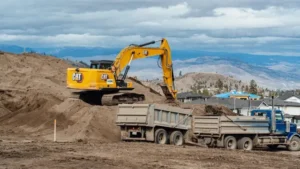
The Province of BC is clear that permits are required for most construction, demolition, and excavation — and while the fine detail is set by your local government, some categories reliably need one:
- Foundation excavation for a new structure. Digging for the foundation of a house, addition, garage, or accessory building almost always requires a building permit, because it’s the first stage of a permitted build.
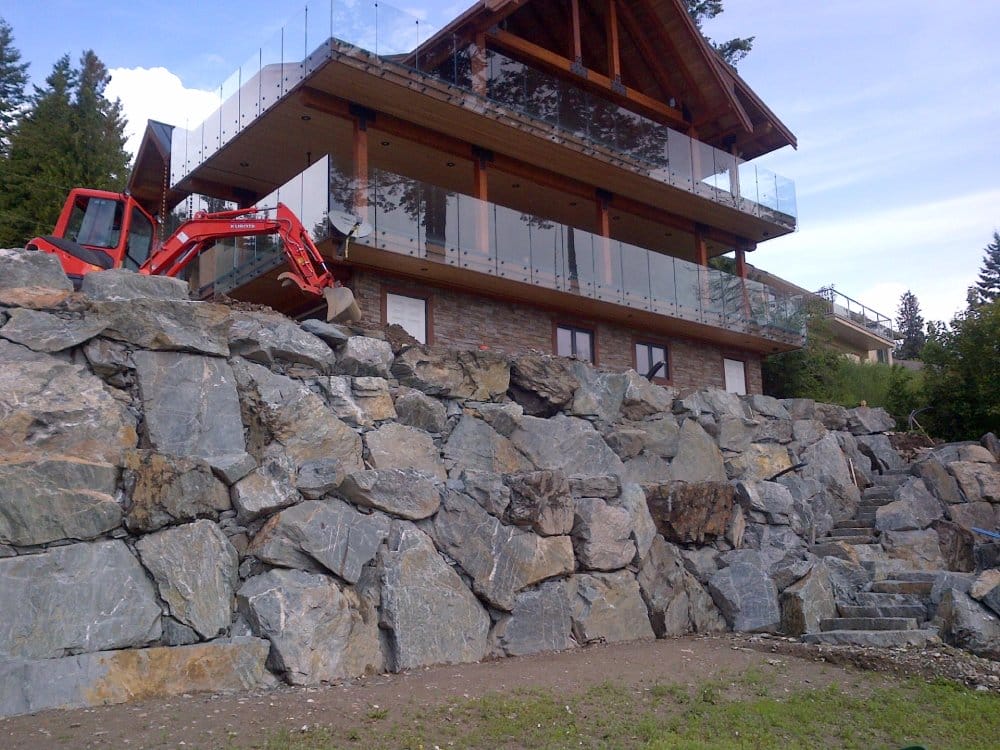
- Retaining walls above a certain height or complexity. In Kamloops, retaining walls appear directly on the building permit application form. Whether yours needs a permit depends on its height and design — tall or engineered walls generally do — so confirm the threshold with the City before you build.
- Earthworks and site servicing. Larger earthmoving and servicing work is a listed permit category in Kamloops, particularly when it’s part of a broader development.
- Anything requiring engineered or stamped drawings. If your project needs a registered professional’s design — common for structural retaining walls or complex sites — that ties into the permit process.
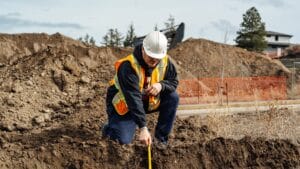
Kamloops adds a location-specific factor worth knowing: on land that may be subject to subsidence, erosion, or landslip — which the City most often encounters on silt-bluff and steep sites — a Building Official can require a geotechnical or engineering report certifying the land is safe for the intended use before approving the work. If your lot is on a slope or near a bluff, budget time and money for that possibility.
When You Usually DON’T Need a Permit
Plenty of common outdoor work falls below the permit threshold in most BC municipalities:
- Basic lot grading. Reshaping your yard to move water correctly is typically maintenance-level work that doesn’t trigger a building permit. (It’s still worth doing right — we cover why in our guide to proper lot grading.)
- Land clearing and simple driveway work on residential lots, in most cases.
- Low retaining walls under the height threshold and not supporting a structure or surcharge.
The critical caveat: “usually” depends on your municipality, your zoning, and whether your property sits in a Development Permit Area or on hazard-prone land. A short wall that needs no permit on a flat lot in one neighbourhood might need one — plus an engineering report — on a steep Kamloops bluff lot. This is exactly why confirming before you dig matters, and it’s part of what a proper site assessment sorts out at the planning stage.
BC One Call Is a Separate Step — and It’s Not Optional
Here’s a distinction that trips people up: contacting BC One Call before you dig is a legal requirement, but it is not a permit. Whether or not your project needs a building permit, you’re required to request a utility locate before any excavation, so gas, electrical, water, and telecom lines can be marked. It’s a free, mandatory step that applies to every dig, from a fence post to a foundation.
We keep this section short on purpose, because the safety side of digging — utility locates, soil collapse, shoring and sloping — is its own subject. If that’s what you’re after, our post on trench safety and what BC law requires before you dig covers BC One Call and safe excavation in full. For this guide, the point is simply: BC One Call and a building permit are two separate obligations, and needing one doesn’t replace the other.
How the Permit Process Actually Works in Kamloops
If your project does need a permit, here’s the shape of the local process. A building permit is required in Kamloops whenever you’re building or demolishing a structure, and the City uses a single application form that covers everything from new dwellings to earthworks, retaining walls, and site servicing.
A few things worth knowing before you apply:
- Contractor licensing. The City requires builders and contractors working on permitted projects to hold a current City of Kamloops Business Licence or an Inter-Community Business Licence (ICBL). It’s a reasonable thing to confirm before you hire anyone — a contractor who isn’t licensed to work in Kamloops is a red flag.
- Development Cost Charges (DCCs) are paid before a permit is issued, and fees are set out in the City’s bylaws. Because these change, we don’t quote figures here — check the current schedule directly with the City.
- Inspections at the excavation stage. On permitted builds, work is inspected at defined points — including the foundation/excavation stage before concrete is poured — so the sequencing of your dig has to leave room for those inspections.
- Site disclosure and engineering. Depending on the project and site, you may need a provincial Site Disclosure Statement or, on hazard-prone land, a geotechnical report.
You can confirm current requirements, forms, and fees on the City of Kamloops building permits page, and for a province-wide overview of which projects need permits and how the process works, the Province of BC’s building and renovation permits guide is the authoritative starting point. Both note plainly that requirements vary by local government — so your municipality is always the final word.
What Happens If You Skip a Required Permit
It’s tempting to treat permitting as red tape, especially on a project that feels small. But the downside is real. Work done without a required permit can trigger a stop-work order mid-project, fines, and — in the worst case — an order to remove or redo completed work. On hazard-prone land, unpermitted excavation that destabilizes a slope is both a safety risk and a liability. And when you sell, unpermitted work is exactly the kind of thing that surfaces during due diligence and derails or discounts a sale.
It ties directly into a theme we see across excavation projects: the rework and delay costs when something goes wrong almost always exceed the cost of doing it properly the first time. A permit is cheap insurance against a much larger bill.
How a Contractor Handles the Permit Side for You
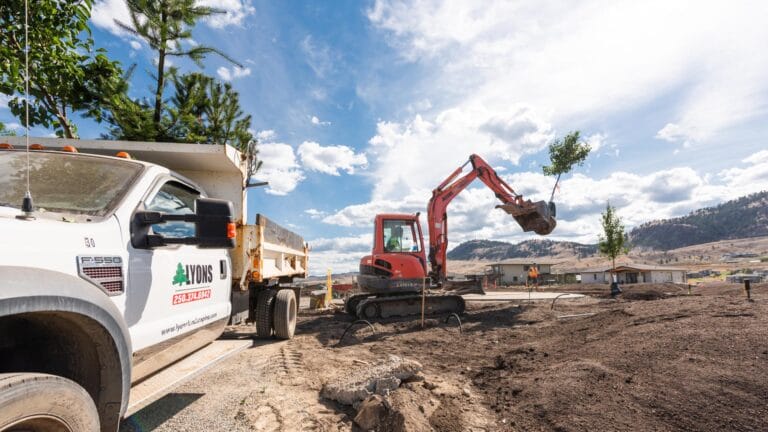
This is where working with an experienced local civil contractor earns its keep. On a Lyons project, permit identification is part of the up-front site assessment — we flag which elements of your project trigger a permit and which don’t, before you’re committed to anything. Where engineered drawings or a geotechnical report are needed, that gets coordinated as part of the project rather than sprung on you halfway through. And because we work in Kamloops regularly, we know the local process, the inspection stages, and the site conditions — like silt-bluff and steep-lot risk — that the City pays close attention to.
That coordination matters most when permits, excavation, grading, and the structures on top all have to line up on one schedule. Handled as separate pieces by separate crews, that’s where projects stall. Our civil excavation and trucking services are built around keeping those pieces coordinated. Permitting is also one of the things worth raising when you’re vetting any contractor — our list of questions to ask before hiring a landscaper or excavation contractor includes it, and it applies equally to civil work.
If a permit conversation belongs anywhere, it’s early — in the planning phase, before design is finalized. Our Kamloops backyard renovation planning guide covers where permitting fits alongside budgeting, timelines, and design.
Conclusion: Check Before You Dig
The short version: some excavation and grading work needs a permit, some doesn’t, and the line depends on the type of project, your specific lot, and Kamloops’ particular attention to slope and soil stability. BC One Call is mandatory on every dig regardless. And the cost of getting permitting wrong — stop-work orders, fines, remediation, resale headaches — is far larger than the cost of confirming the requirements up front.
The safest move is simple: before any excavation project in Kamloops or the BC Interior, confirm what your specific project needs.
Contact Lyons Landscaping for a consultation — we’ll assess your site, tell you honestly what’s required, and coordinate the permitting, excavation, and everything on top so the job gets done right the first time.